


Pre-purchase car inspections in Houston for multiple vehicle types
A pre-purchase car inspection in Houston assesses a vehicle’s cosmetic, mechanical, and safety condition, but there’s no industry-wide standard for what every inspection covers. It’s most useful when it gives you a clear picture of the vehicle before you decide whether to buy.
It’s reasonable to want more than a quick look under the hood, especially when you can’t easily see the vehicle in person. This guide explains which vehicles can be inspected, what a mechanical evaluation may cover, and how mobile visits and photo reports can help you make an informed decision.
You’ll also learn why inspection scope matters, what an inspection can and can’t tell you, and how to interpret the findings. Whether you’re considering a local vehicle or a long-distance purchase, you can approach the next step with a clearer understanding of its condition.
Table of Contents
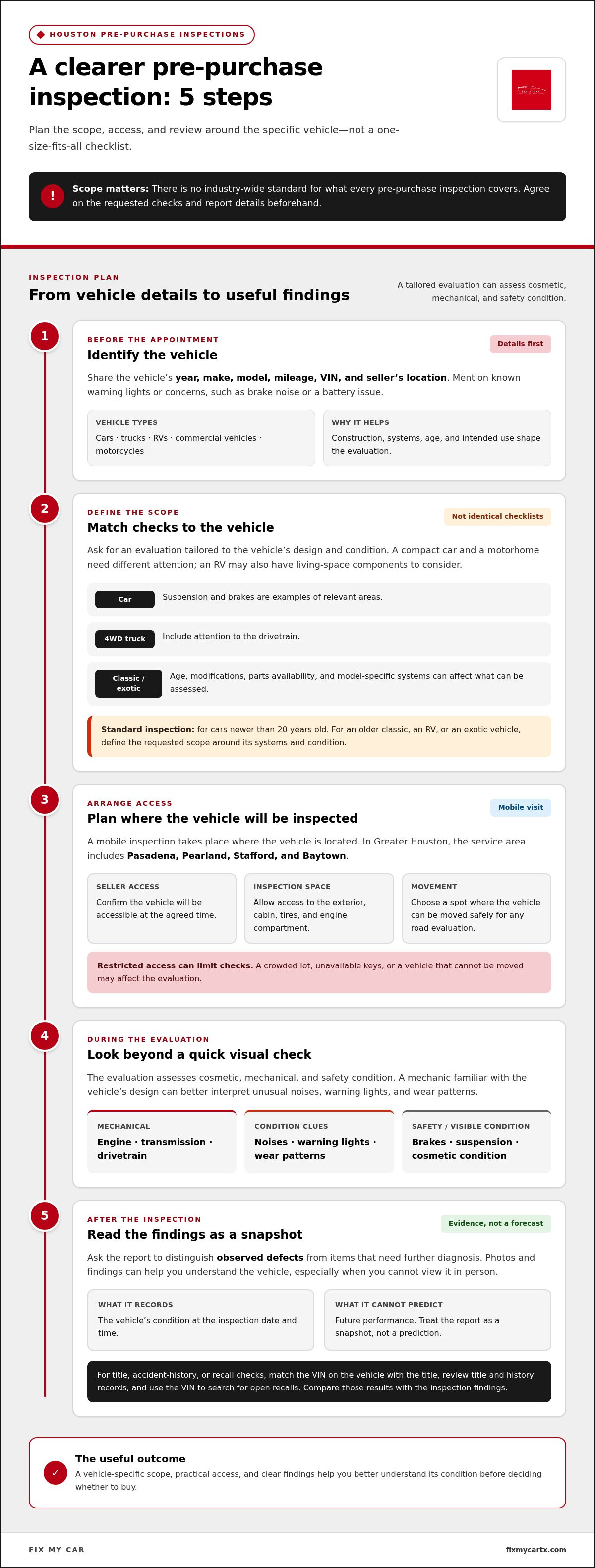
Inspection options for cars, trucks, RVs, commercial vehicles, and motorcycles
Houston buyers can arrange evaluations for cars, trucks, RVs, commercial vehicles, and motorcycles. The right scope depends on the vehicle’s construction, systems, age, and intended use. A compact car and a motorhome need different attention: the car’s suspension and brakes matter, while an RV also has living-space components. Request an inspection tailored to the specific vehicle, not just its broad category.
Make and model also shape the evaluation. A mechanic familiar with a vehicle’s design can better interpret unusual noises, warning lights, and wear patterns. Before the appointment, provide the inspector with the year, make, model, mileage, and seller’s location. This helps identify relevant systems and plan access. For example, a four-wheel-drive truck calls for attention to its drivetrain, while a low-clearance sports car may need a suitable inspection setup.
Classic and exotic vehicles can require more specialized scrutiny than a common commuter car. Age, modifications, parts availability, and model-specific systems affect what can be assessed. The Standard inspection is for cars newer than 20 years old. For an older classic, an RV, or an exotic vehicle, define the requested scope around its systems and condition rather than assuming a standard checklist covers everything.
Are there Texas rules or requirements for pre-purchase vehicle inspections? There’s no industry standard for what an inspection must cover, so agree on the scope and report details beforehand. A pre-purchase evaluation assesses cosmetic, mechanical, and safety condition; don’t assume every vehicle receives an identical checklist.
What are the risks of buying a used car without an independent inspection? You may miss mechanical, cosmetic, or safety concerns that could affect your decision, including suspension wear or brake problems. An independent inspection is recommended because a seller’s description alone doesn’t document the vehicle’s condition.
For an out-of-area purchase, arrange access with the seller and have the vehicle inspected where it is located. This is especially useful when the car is in another state or country and you can’t test-drive it. The mechanic’s findings provide useful information for a long-distance transaction, but the report records the vehicle’s condition only at the inspection date and time. Treat it as a snapshot, not a prediction of future performance.
How can I check a used car’s title, accident history, and recalls in Texas? Match the vehicle identification number (VIN) on the vehicle with the title, then review title and history records for brand or damage information. Use the VIN to search for open recalls through an official recall lookup, and compare the results with the inspection findings.
Because inspection scope varies, make a short plan before the seller’s appointment:
Share the vehicle’s year, make, model, and VIN.
Identify the systems that matter for that vehicle type.
Arrange seller access and a test drive when available.
Ask for findings that distinguish observed defects from items needing further diagnosis.
Mobile pre-purchase inspections in Houston and surrounding areas
A mobile visit allows the inspection to take place where the vehicle is located. In Greater Houston, the location, seller access, and vehicle condition shape the practical arrangements.
Mobile Inspection Locations
The Houston service area includes Pasadena, Pearland, Stafford, and Baytown. Mobile inspections can help buyers assess a vehicle without arranging transport elsewhere. Share the seller’s address and the vehicle’s details when planning the visit. Choose a spot where the inspector can access the vehicle’s exterior and cabin and where it can be moved safely for any road evaluation.
At a seller’s driveway or business lot, confirm that the vehicle will be accessible at the agreed time. A crowded lot may limit access to doors, tires, or the engine compartment. A Lamborghini parked in a tight garage, for example, may need a different setup from a truck in an open driveway. Good access supports a more complete assessment and clearer findings.
Inspection Cost in Houston
What does a pre-purchase car inspection cost in Houston, Texas? The price depends on the vehicle, inspection scope, location, and access, and is provided after a quote request. A car and an RV require different evaluation steps, while an out-of-area visit can affect logistics. Compare what the inspection covers, not just the price, so you understand which systems and condition details the report addresses.
For a useful quote, provide the year, make, model, VIN, and seller’s location. Describe any known warning lights or concerns, such as brake noise or a battery issue. This information helps define the requested scope. Don’t assume every inspection includes the same checks, because there’s no industry standard for coverage.
Inspection Time
How long does a pre-purchase car inspection take in Houston? Timing depends on the vehicle type, inspection scope, access, and the condition being evaluated. A motorcycle and a motorhome involve different systems, while restricted access can slow the process. Share the vehicle details and location when arranging the appointment so the steps and expected timing can be planned clearly.
Allow time for access, the evaluation, and a review of the findings. If the seller can’t provide keys or the vehicle can’t be moved, some checks may be limited. Coordinating these details beforehand helps avoid delays and gives you time to understand the results before deciding whether to buy.
Mobile findings can help you decide whether to proceed, negotiate, or pause while you consider possible repairs. For concerns identified after purchase, explore automotive repair support as a next step. A clear report can also help you distinguish immediate concerns from items to monitor, supporting peace of mind without treating the inspection as a prediction of future condition.
Engine, transmission, and drivetrain evaluation
During a pre-purchase evaluation, the engine, transmission, and drivetrain each deserve attention. These systems can affect how the vehicle starts, accelerates, shifts, and handles. Ask the inspector to record symptoms, warning lights, and test-drive observations. These details provide a clearer basis for deciding whether to proceed, negotiate, or pause.
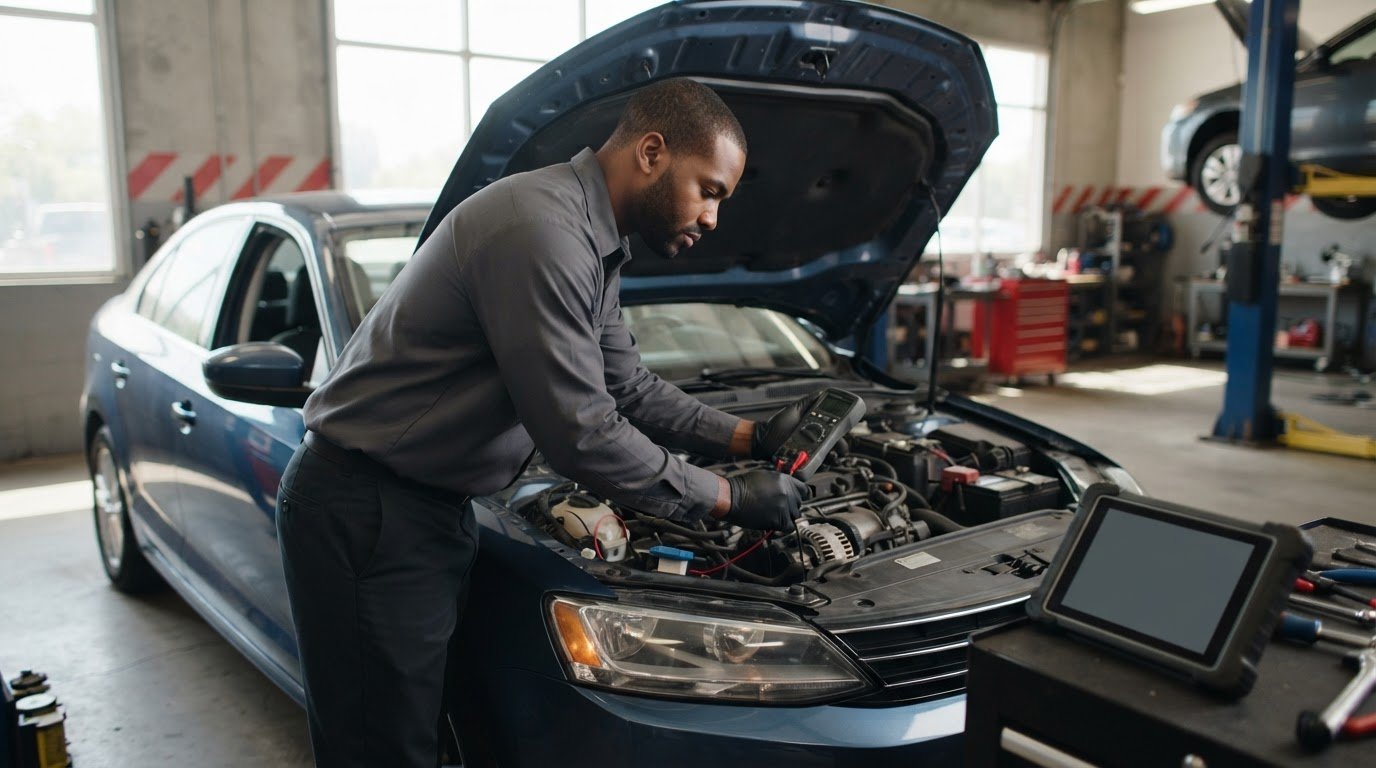
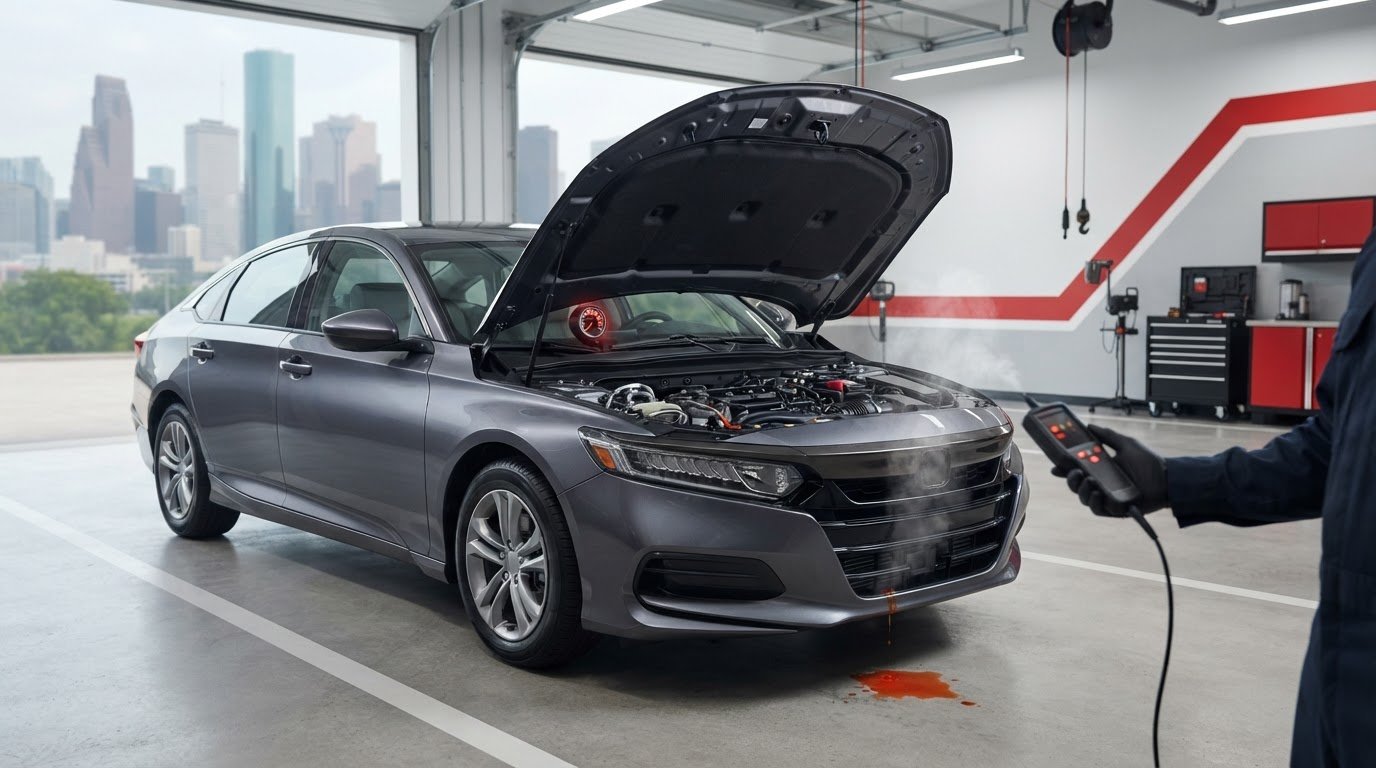
Observe the engine’s behavior before and after it warms up. Note hard starting, uneven idling, unusual exhaust, visible leaks, or warning lights. These observations can identify concerns for further diagnosis, but they don’t establish a complete repair plan. A computer scan adds another check by reading stored trouble codes that may point to engine or transmission faults.
Transmission checks focus on operation during the drive. The inspector can note delayed engagement, harsh shifts, slipping sensations, or unusual sounds. For a manual vehicle, clutch response and gear engagement also matter. Drivetrain evaluation depends on the vehicle’s layout, such as front-wheel drive, rear-wheel drive, or four-wheel drive. On a four-wheel-drive truck, the inspection should consider whether the system engages and operates as expected.
Test Drives and Diagnostic Scans
A test drive connects stationary checks with how the vehicle performs on the road. A pre-purchase inspection may include driving over hills, bumps, and potholes to help reveal suspension or engine performance issues. The inspector can note changes in engine response, transmission behavior, steering, or vibration under these conditions. A computer scan complements those observations by checking for stored trouble codes.
An exotic vehicle inspection includes a computer code readout for the engine, transmission, ABS, and airbag systems. Each provides distinct information: engine and transmission codes can flag detected faults, while ABS and airbag codes relate to safety-system electronics. A scan is one part of the assessment, not a substitute for operating the vehicle and recording its behavior.
City and Highway Test Drives
City streets and highway driving can reveal different symptoms, if the seller permits both. Stop-and-go traffic gives the inspector a chance to observe low-speed shifts, idle stability, and braking response. Steady highway travel can reveal vibration or inconsistent acceleration. A route with hills, bumps, and potholes adds useful observations about suspension and engine performance, rather than relying on a smooth road alone.
Before the drive, agree with the seller on access and route conditions. Ask that the vehicle be available with its keys and ready for inspection. Afterward, compare road-test notes with scan results and visible findings. For example, a warning light combined with a rough shift deserves careful attention before buying, even if the vehicle accelerates normally on one stretch of road.
Inspection reports with photos and videos
A useful inspection report turns findings into a record you can review before deciding. In Houston, the Standard vehicle inspection includes more than 25 pictures. Those images can help you connect written observations with visible details, such as tire wear, damaged glass, exterior condition, or a warning light on the dashboard.
Read the report in a consistent order. Start with the summary, then review each mechanical or safety finding and its supporting evidence. Separate observed conditions from recommended follow-up. For example, a photo may show a cracked windshield, while the written note explains the inspector’s observation. A picture can document visible damage, but it can’t establish exactly when an accident occurred.
Photos are especially useful when you’re buying from a seller in another city. A close-up of a tire, body panel, or fluid leak gives you a specific detail to discuss, rather than just a general description. Review the full set, not only selected highlights. Compare corresponding areas across the vehicle, such as both sides of the body or the front and rear tires.
Video can add context that a still image can’t. A clip may capture an engine sound, a dashboard warning, or how a component moves during operation. Treat footage as supporting evidence, then match it to the written inspection report. A sound recording alone doesn’t identify the cause, and a short clip may not show how the vehicle behaves throughout a complete test drive.
Use a simple review process to turn the report into buying questions:
Match each photo or clip to the related written finding.
Note which findings affect safety, mechanical condition, or appearance.
List unclear observations for discussion before agreeing to purchase.
Compare visible damage with the seller’s description and available records.
Look for clear labels, readable notes, and images with enough context. A close-up can reveal a crack, but a wider view helps locate it on the vehicle. If a report notes a brake concern, for example, the written explanation matters alongside any relevant photo. This helps you understand the observation without treating an image as a repair diagnosis.
Keep the inspection report with your purchase records. It documents what the evaluation found at that time, while later repairs or new symptoms can change the vehicle’s condition. If mechanical findings need attention after purchase, use the report to explain the concern during a repair discussion. Reviewing photos alongside written notes gives you a grounded basis for weighing the seller’s statements and deciding what to do next.
Houston pre-purchase car inspections
Houston buyers should judge an inspection by its scope, independence, and documentation. A thorough evaluation looks beyond appearance to assess mechanical and safety condition.
Choosing a Reputable Inspector
How do I find a reputable pre-purchase car inspector in Houston? Choose an independent mechanic familiar with the vehicle’s make and model and unaffiliated with you or the seller. Before booking, ask for the inspection scope and a written report. Confirm that it addresses cosmetic, mechanical, and safety condition, rather than relying on a brief visual review.
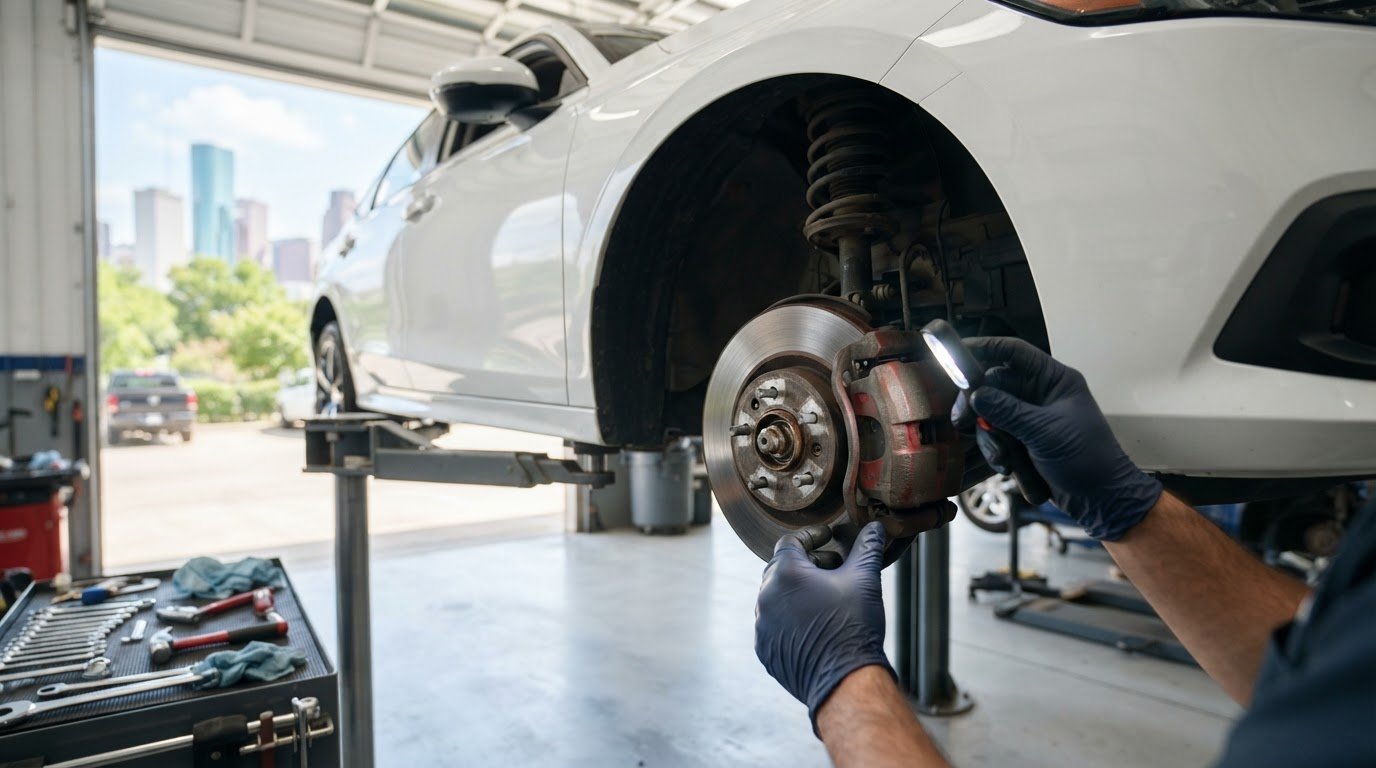
Because no industry standard defines every inspection, compare the actual checks. A thorough evaluation may cover tires, frame, suspension, glass, lights, brakes, radiator, hoses, belts, fluids, battery, and body condition. Ask how findings will be recorded, including the inspection date and time. That record gives you a clear snapshot to consider before purchase.
Dealership and Repair Shop Inspections
Can I get a pre-purchase inspection at a Houston dealership or repair shop? Yes, if the seller permits access and the location can accommodate the inspection. The key distinction is independence: use an inspector unaffiliated with both buyer and seller, even when the vehicle is at a dealership or repair facility.
Arrange access with the seller before the visit, including permission to inspect and test-drive the vehicle. At a dealership, clarify that the evaluation is independent of its sales process. At a repair shop, make sure the inspector can see the vehicle and review relevant systems. A computer scan, road evaluation, and written findings can add useful detail beyond a sales description.
Use the inspection results to organize your decision, not just to collect a pass-or-fail label. Separate observed defects from items that need further diagnosis. For example, a brake concern, damaged glass, or an airbag warning may affect your decision differently from cosmetic scratches. Match each concern with its location and supporting notes, then compare the findings with the seller’s description.
Buyers considering a vehicle without certified pre-owned status or a warranty should give particular weight to an independent inspection. The report records the vehicle’s condition at the inspection date and time; it doesn’t predict how the vehicle will perform later. Use that snapshot to decide whether to proceed, discuss the findings with the seller, or pause your purchase.
Confirm the inspector’s independence from buyer and seller.
Match the inspection scope to the vehicle’s systems and condition.
Review written observations alongside diagnostic results.
If inspection findings point to collision damage, review collision repair options as you consider the vehicle’s next steps.
Fix My Car: Collision Repair
Fix My Car can help if an inspection identifies damage or repair needs. Collision Repair addresses vehicle damage, while Mechanical Work addresses mechanical concerns. Brake or climate-control findings may call for Brakes Repair or Air Conditioner and Heater Repair.
Use the inspection report to explain the specific concern and guide a repair discussion. For example, share notes about damaged body panels, unusual engine performance, brake issues, or an air conditioner that doesn’t cool. The findings help clarify which repair area needs attention next, whether you’re assessing a purchase or addressing a problem afterward.
For a next step, contact Fix My Car or visit fixmycartx.com.
Make your next decision with confidence
An inspection can clarify your next move, but the decision remains yours. Use the findings to decide whether to proceed, negotiate, or walk away, then keep the report available as you plan what comes next. A pre-purchase car inspection in Houston is one part of a thoughtful buying decision, not a substitute for considering your budget, intended use, and comfort with the vehicle’s condition.
If you buy the vehicle and it needs attention, Fix My Car offers Collision Repair, Mechanical Work, and Air Conditioner and Heater Repair. Share the concerns you want addressed, such as collision damage, an engine issue, or climate-control trouble, so the discussion can focus on the right repair needs. A clear next step can make ownership feel more manageable, whether you move forward with this vehicle or continue your search.
Contact Fix My Car to discuss your vehicle’s repair needs, and take your next step with care.
Frequently Asked Questions
What Makes a Houston Inspection Unique?
A Houston inspection is shaped more by the vehicle and its location than by a unique local checklist. There’s no industry-wide standard for inspection coverage, so compare the actual scope. For a Houston buyer considering a car outside the area, an independent evaluation can help assess the vehicle before travel or purchase. A pre-purchase car inspection in Houston should fit the vehicle’s intended use and the questions you need answered.
What Should Be Inspected?
Prioritize systems that affect safe operation and significant buying decisions, then consider the vehicle’s intended use. For a family sedan, pay close attention to braking, steering, and restraint-system concerns. For a work truck, consider drivetrain operation in relation to its intended use. Ask the inspector to distinguish visible symptoms from confirmed causes. That distinction helps you decide which findings need further diagnosis before committing to the purchase.
What does a pre-purchase vehicle inspection include?
A pre-purchase inspection records the vehicle’s condition at the time of evaluation, with scope varying by inspector and vehicle. Ask whether the written report separates observations from recommendations. For example, a warning light is an observed condition; identifying its cause may require diagnosis beyond the inspection. Use the report to decide what needs attention before purchase and what questions remain for the seller.
Which Houston mechanics offer mobile pre-purchase car inspections?
Look for an independent mechanic who travels to the seller’s location and understands the vehicle’s make and model. Before scheduling, compare the stated inspection scope, the type of written findings provided, and whether a road test is included. Mobile service can be useful when the seller is in Pasadena, Pearland, Stafford, or Baytown, or when you can’t conveniently bring the vehicle elsewhere.
What should I ask the seller before scheduling a car inspection?
Ask the seller for the VIN, exact location, permission for an independent inspection, and access to the keys. Find out whether the vehicle can be started and driven, and whether there are warning lights or known issues. Request any available maintenance or repair records, especially documents related to previous collision damage. These details help the inspector prepare and make the visit more productive.
Comentarios